
Vets in Prince George, BC
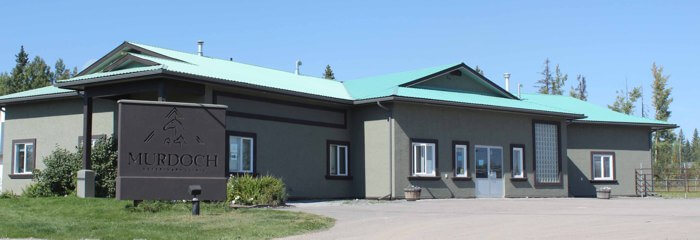
When you’re searching for trusted vets in Prince George, BC, you want a team that truly understands your pets and treats them like family. Murdoch Veterinary Clinic has been serving the Prince George community since 1993, providing caring veterinary care for cats, dogs, and horses. Our mixed animal practice combines modern medical technology with focused attention to provide your pets with quality care. From routine wellness checks to complex surgical procedures, our Prince George vet clinic is equipped to handle all your pet’s healthcare needs under one roof.
Our Mission
Our mission centers on providing veterinary care that improves the quality of life for every animal we treat. We believe that preventative care forms the foundation of good health, which is why we emphasize wellness exams, dental care, and proactive health measures for all our patients. Our team of dedicated professionals works closely with pet owners to develop custom care plans that fit both your pet’s needs and your family’s lifestyle. We strive to create a welcoming environment where you feel comfortable asking questions and discussing your pet’s health concerns. Through caring treatment and open communication, we build lasting relationships with families throughout Prince George and surrounding areas.
Why Choose Us
Finding the right veterinary care for your furry family members requires careful consideration of many factors. Our Prince George veterinary hospital stands out because we combine complete medical care with a caring approach for animals and their families.
Complete Services for All Your Pets
Our animal clinic offers extensive medical services for cats, dogs, and horses, making us your one-stop destination for all veterinary needs. We provide routine wellness checks, vaccinations, dental care, and surgical procedures using state-of-the-art equipment including digital radiography and ultrasonography. You can rely on our lab services for accurate diagnostics, while our urgent care capabilities ensure your pets receive prompt attention when emergencies arise. Our complete approach means you won’t need to travel to multiple locations for different aspects of your pet’s healthcare.
Experienced Team You Can Trust
Our veterinary medicine professionals bring decades of combined experience to your pet’s care led by Dr. Christine Murdoch. Our support staff includes registered veterinary technologists, veterinary assistants, and administrative team members who share our commitment to quality animal care. Each team member receives ongoing training to stay current with the latest advances in veterinary care and treatment protocols. You’ll notice our staff takes time to build relationships with both pets and their owners, creating a comfortable environment for everyone. This experience and dedication translate into more accurate diagnoses, effective treatments, and better outcomes for your companion pets.
Modern Technology Meets Personal Care
We’ve invested in advanced medical equipment to provide the most accurate diagnostics and effective treatments available. Our digital radiography system provides immediate, high-quality images that help us diagnose conditions quickly and accurately. Pre-anesthetic testing ensures your pet’s safety during surgical procedures, while our in-house laboratory delivers fast results for blood work and other diagnostic tests. Despite our modern technology, we never lose sight of the personal touch that makes veterinary care special. Your pets receive individual care, and we always take time to explain procedures and answer your questions thoroughly.
Convenient Scheduling and Emergency Support
We understand that pet health concerns don’t always happen during regular business hours, which is why we offer complete urgent care services and after-hours emergency support. Our online appointment system makes scheduling routine visits simple and convenient, while our prescription refill service saves you time on return trips. When emergencies occur after hours, our phone system connects you to qualified veterinary technicians who can provide guidance and direct you to appropriate care. We also offer mobile services for horses, bringing veterinary care directly to your property when needed. This flexibility ensures your pets get the care they need when they need it most.
Commitment to Education and Prevention
We believe informed pet owners make the best decisions for their animals’ health, which is why we focus on client education in everything we do. Our team provides detailed explanations about your pet’s condition, treatment options, and preventative measures you can take at home. We offer guidance on nutrition, parasite control, and wellness care that helps prevent serious health problems before they develop. Through regular preventive exams and open communication, we help you recognize early warning signs and maintain your pet’s good health. Our educational approach empowers you to be an active partner in your pet’s healthcare journey.
Meet Dr. Christine Murdoch
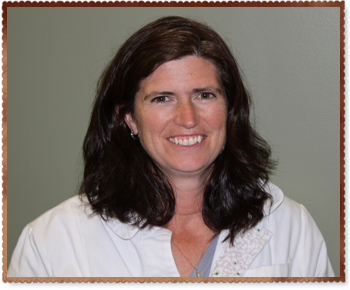
Dr. Christine Murdoch founded Murdoch Veterinary Clinic in 1993 with a vision of providing quality veterinary care to the Prince George community. As a local veterinarian, she understands the unique needs of pets and horses in northern British Columbia, from dealing with harsh winter conditions to addressing the health challenges that come with rural living. Dr. Murdoch has built her practice on the principles of caring treatment, thorough communication, and staying current with advances in veterinary medicine. Her expertise spans small animal medicine and equine care, allowing her to serve a diverse clientele throughout the region. Under her leadership, the clinic has grown into a trusted healthcare destination where families know their beloved animals will receive focused attention and expert medical care.
Small Animal and Equine Veterinary Services
We are fully equipped to service horses, both in clinic and in the field (mobile). We provide a multitude of services including:
- examinations (health, pre-purchase, insurance, export and lameness)
- breeding (including artificial insemination)
- dentistry
- castrations and cryptorchid castrations
- hernia repairs
- joint injections
- digital radiography
- ultrasonography
- breeding
- EIA (Coggins) testing
- laceration repairs
- urgent care
- and more
Our small animal and equine veterinarian offers individualized vaccination plans for puppies and kittens, canine/feline/equine dental care promotions, senior care (Maturity in Motion) and more. Horse owners travel from all over Northern BC to see our team of veterinary care professionals!

Modern Pet Surgery Techniques for Your Companion
Pet surgery represents one of the most critical services we provide at our veterinary practice. Whether your beloved companion needs a routine spay or neuter procedure or requires more complex orthopedic intervention, our surgical team brings decades of experience to every case. We understand that deciding on pet surgery for your furry family member can feel overwhelming, which is why we take time to explain each procedure thoroughly.
Our state-of-the-art surgical suite features modern monitoring equipment and sterile environments designed specifically for animal procedures. Pre-anesthetic testing helps us identify any potential risks before your pet undergoes surgery.
Complete Pre-Surgical Planning
Every successful pet surgery begins with thorough preparation and assessment. Murdoch Veterinary Clinic requires pre-surgical examinations for pets we haven’t seen within twelve months, allowing us to identify any health concerns that might affect surgical outcomes.
Our pre-surgical planning includes several important steps:
- Complete physical examination to assess overall health
- Blood work analysis to check organ function
- Discussion of anesthetic protocols tailored to your pet
- Review of surgical risks and expected recovery timeline
Modern Surgical Safety Protocols
Safety remains our top priority during every pet surgery procedure we perform. Our monitoring systems track vital signs continuously, while our trained technicians provide dedicated attention throughout the entire process.
We maintain the highest standards of surgical safety through:
- Digital monitoring of heart rate and oxygen levels
- Sterile surgical environments meeting medical standards
- Pain management protocols starting before surgery begins
- Recovery monitoring until your pet is fully alert
Recovery from pet surgery requires careful attention and proper follow-up care. Our team provides detailed instructions for home care and remains available throughout your pet’s recovery period.
Emergency Pet Care When Every Second Counts
When your pet faces a medical emergency, quick action can make the difference between life and death. Our emergency services operate beyond regular business hours to provide immediate care for pets experiencing trauma, poisoning, severe illness, or life-threatening conditions. We know that pet emergencies rarely happen at convenient times, which is why our team has established protocols to help you navigate these stressful situations with confidence.
Emergency situations require the right tools and skilled veterinary professionals who can make rapid decisions under pressure. Our clinic maintains modern diagnostic equipment and treatment options specifically designed to handle urgent cases that cannot wait for regular appointments.
Immediate Response and Triage Services
Our emergency response system begins the moment you contact us after hours. When you call our main number and press ‘0’, you connect directly with Animal Health Link, where registered veterinary technicians assess your pet’s condition at no cost. This triage service helps determine the urgency level and guides you toward appropriate care.
Emergency triage includes these critical steps:
- Assessment of symptoms and vital signs over the phone
- Immediate guidance for life-saving first aid measures
- Direction to local on-call veterinarians for urgent cases
- Recommendations for nearest emergency veterinary facilities
Critical Care Equipment and Protocols
Emergency cases demand immediate access to diagnostic and treatment capabilities that can stabilize patients quickly. Murdoch Veterinary Clinic maintains emergency protocols and equipment necessary for handling various urgent situations that present outside normal operating hours.
Our emergency preparedness includes:
- Digital radiography for rapid injury assessment
- Surgical capabilities for trauma and emergency procedures
- Hospitalization facilities for overnight monitoring
- Pain management and stabilization medications
Time-sensitive emergency situations require pet owners to remain calm while seeking professional help. Our skilled team guides you through each step of the process, ensuring your pet receives appropriate care based on their specific condition and needs.
Pet Dentistry Solutions for Healthy Smiles
Pet dentistry plays a vital role in your animal’s overall health and wellbeing. Dental disease affects over 80% of dogs and cats by age three, making regular dental care essential for preventing pain, infection, and serious health complications. Our complete pet dentistry services address everything from routine cleanings to complex extractions, helping maintain your companion’s oral health throughout their lifetime.
Poor dental hygiene in pets can lead to bacteria entering the bloodstream and affecting vital organs including the heart, liver, and kidneys. Regular pet dentistry procedures not only freshen breath and remove tartar buildup but also prevent these dangerous systemic infections from developing.
Professional Dental Cleaning Procedures
Professional pet dentistry requires general anesthesia to perform thorough cleaning both above and below the gum line. This allows our veterinary team to safely remove plaque and tartar that home brushing cannot reach. Each dental procedure includes complete oral examination, dental charting, and digital radiography when necessary to identify hidden problems.
Our complete dental cleaning process involves:
- Pre-anesthetic blood work to ensure safety
- Ultrasonic scaling to remove tartar and plaque
- Polishing teeth to smooth surfaces and prevent bacteria buildup
- Protective treatments to strengthen tooth enamel
- Post-procedure pain management for patient comfort
Modern Dental Treatment Options
Beyond routine cleanings, our pet dentistry services include treatment for dental diseases and oral health problems. Murdoch Veterinary Clinic provides extractions and other dental procedures to address painful conditions that affect your pet’s quality of life.
Modern dental treatments we offer include:
- Tooth extractions for severely damaged or infected teeth
- Oral health treatments for various conditions
- Treatment of broken or fractured teeth
- Management of gum disease and periodontal conditions
Regular dental examinations help identify problems early when treatment options are less invasive and more successful. We recommend annual dental evaluations for most pets, with more frequent assessments for senior animals or those with existing oral health issues.
FAQs About Murdoch Veterinary Clinic
Here are answers to common questions about our veterinary services and what you can expect when you visit our clinic.
Are you currently accepting new clients?
Yes, we are accepting new clients and would be happy to welcome you and your pets to our practice. Simply call us at 250-963-9898 to schedule your initial appointment and discuss your pet’s healthcare needs. We recommend having any previous medical records and vaccination history available when you call.
I’m an existing client and just got a new pet, will my new cat/dog be accepted as a new patient and have medical care?
YES – Please call 250-963-9898 to book. Please have your new pets previous medical records and vaccination history available.
What do I do if I have an emergency when the clinic is closed?
Call 250-963-9898, then press ‘0’ when voicemail picks up. From here you will be forwarded to our triage service – Animal Health Link. A BC registered veterinary tech will answer the phone and triage your call. After this ZERO COST triage you will have 3 options:
- Be directed to the local on call vet for in person care.
- Wait until business hours to be seen at your clinic
- Be directed to the nearest emergency vet clinic
Do you offer spay and neuter surgeries?
Yes, we require a pre-surgery exam if we have not seen the pet within the last 12 months. This is to ensure there are no obvious health concerns that may indicate your pet is not safe for anesthetic or if they require a different protocol to increase the likelihood of a positive outcome. The pre surgery appointment also provides you, the client, an opportunity to review the estimate and ask any questions about your pet’s surgery.
How often should I deworm my cat or dog?
The answer to this depends on many things. As a rule of thumb ALL pets should be dewormed annually even if their risk factors are minimal. Risk factors include:
- If you have small children in your home, it is recommended that you deworm every 3 months. This is recommended as small children at times explore their world by ‘taste’ and put things in their mouths that older children and adults generally would not. Some of the internal parasites in our area are zoonotic (meaning they can be transferred between humans and animals). Deworming every 3 months reduces the risk of your pet inadvertently ‘sharing’ a parasite with your small child.
- If your pet is unattended outdoors, hunts, or has a habit of eating gross things (poop, dead animals etc) it is recommended they are dewormed every 3-6 months
Pro tip: if your pet requires dewormer on a regular basis, purchase it by the box (6 doses) you will save money, plus will always have it on hand and will not miss a dose!
When should my pet be on flea and tick medication?
In recent history we are seeing warmer weather. As a result external parasites are seen year round in Prince George. Moreover, we see pets travelling more with their humans, increasing exposure and opportunities for your pet to pick up external parasites. It is our recommendation that pets receive flea tick (external parasite) prevention year round.
What should I do if my pet has an emergency after hours?
Call our main number at 250-963-9898 and press ‘0’ when the voicemail picks up to connect with our triage service. A registered veterinary technician will assess your situation at no cost and provide guidance on whether you need immediate emergency care, can wait until business hours, or should visit the nearest emergency clinic.
How often should my pet receive wellness exams?
Most healthy adult pets benefit from annual wellness exams, though senior animals or those with chronic conditions may need more frequent visits. These preventive exams help us detect health issues early when they’re most treatable and allow us to keep your pet’s vaccinations current. We’ll work with you to determine the best schedule for your pet’s individual needs.
Do you provide dental care services for pets?
Yes, we offer complete dental care including routine cleanings, extractions, and treatment for dental diseases. Dental health plays a crucial role in your pet’s overall wellbeing, and we recommend regular dental exams to prevent serious oral health problems. We’ll evaluate your pet’s dental needs during their wellness visit and discuss treatment options if needed.
What types of surgical services do you offer?
We perform a wide range of surgical procedures from routine spay and neuter operations to more complex orthopedic procedures and emergency surgeries. All surgical patients receive pre-anesthetic testing to ensure their safety, and we provide detailed post-operative care instructions. We’ll discuss the specific details of any recommended surgical appointment and answer all your questions before scheduling.

Expert Vets in Prince George, BC Ready to Care for Your Pet
Your pets deserve veterinary care that combines medical expertise with a caring approach. Our team of experienced vets in Prince George, BC is ready to provide complete healthcare services tailored to your pet’s individual needs.
Contact us today at 250-963-9898 to schedule your appointment, and follow us on Facebook to discover why families throughout Prince George trust us with their most precious companions.

